Dieser Beitrag ist auch verfügbar auf:
 Deutsch
Anyone out and about in nature in spring and summer should always cover their arms and legs, otherwise there is a risk of being bitten by a tick – and this can have far-reaching consequences. This is because many of the animals carry pathogens that can cause diseases such as Lyme disease or tick-borne encephalitis (TBE). The latter can even lead to meningitis. But how can we protect ourselves from ticks? And do the little bloodsuckers actually fall from the tree?
Bloodsucking survivors
Ticks lurk in bushes and grass, especially from April to October. They can hold out for up to two years without food until a victim comes along. These tiny crawlers have eight legs and belong to the arachnid family. There are several hundred different tick species.
By far the most common tick species in Germany is the common wood tick. This species is blind and deaf, but can smell excellently. The nose of the common woodbuck sits in a dimple on the front legs. The so-called Haller’s organ reacts to the carbon dioxide in human breath and to butyric acid in our sweat .
Ticks do not fall from the trees
It’s a fairy tale that ticks drop from trees – in reality, the creepy-crawlies can only reach about waist height and therefore prefer bushes and grasses. At the right moment, the tick can simply be removed like a burdock. It climbs up the victim with its claws. It looks for warm and moist areas under clothing where the skin is thin: the back of the knees, groin and armpits.
Once it has found the right spot, the tick stings: two small knives cut into the skin and a suction tube is firmly anchored in the wound with barbs. Then it begins its blood meal. So that she remains undisturbed, she injects her saliva into the wound. This contains a local anesthetic so that the victim does not feel anything. But for us humans, tick saliva has a side effect – it can also transmit diseases. In our latitudes this can be Lyme disease and TBE.
Global warming benefits ticks
Ticks like it warm and moist. Researchers are therefore predicting that the animals will become more abundant as a result of global warming in Europe will continue to spread. Ticks live for around three to five years and only need three blood meals in their entire life.
Ticks mate while the female sucks blood
Female ticks are more bloodthirsty than male ticks: The adult female tick sucks for one to two weeks. During this time, the male mates with the female.
As soon as the female tick is full of blood, it falls off its host. Now it has 200 times its own body weight. It needs this energy to lay up to 3000 eggs, the so-called tick caviar. Tiny, barely visible larvae hatch from these in spring.
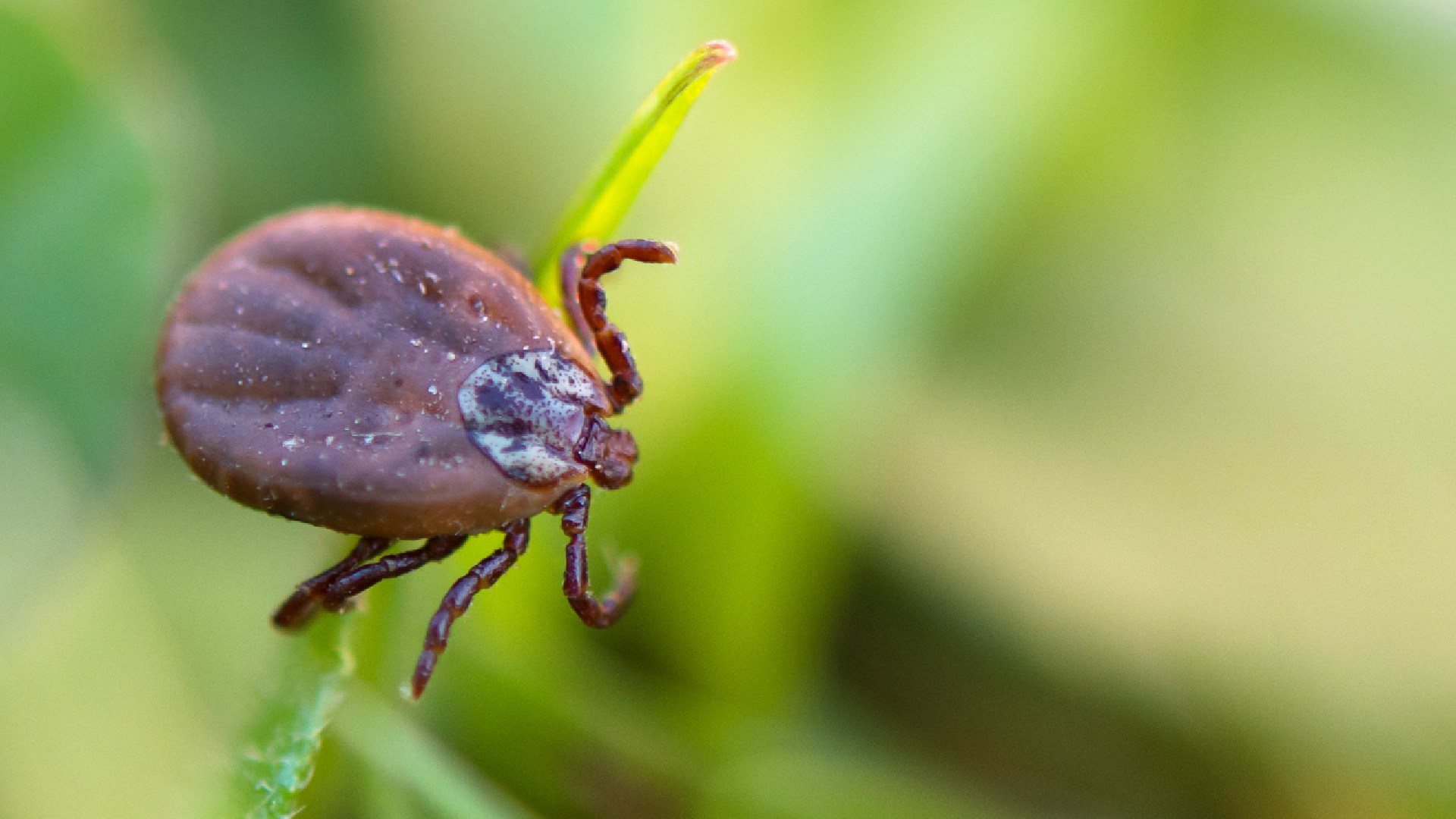
Winzige Wegelagerer: Wie gefährlich sind Zecken wirklich?
Blood as the elixir of life
Tick larvae prefer small mammals such as mice, rats or rabbits as victims. After the first blood meal, the larva develops into a larger nymph. This infects roe deer and thus also gets close to humans. It is only the size of a pinhead and can only be recognized if you look closely. That is why many people bitten by a nymph cannot remember it.
After the third blood meal, the nymph develops into a sexually mature animal and the cycle begins again. But as the tick moves from host to host, it picks up germs everywhere – and this is where the real danger for us humans lurks.
Danger from Lyme disease
According to the Robert Koch Institute, up to 35 percent of ticks are infected with borrelia, the pathogen that causes Lyme disease, depending on the region. These screw-like bacteria bore deep into the tissue and can sometimes escape the body’s own immune defenses.
In the early stages, there is often a typical red spot that spreads in a circle around the sting: the “erythema migrans”. The second stage is characterized, among other things, by nerve inflammation with burning pain, numbness and paralysis. Children in particular can also develop meningitis.
Advanced Lyme disease affects the joints and skin – and it can get worse
After months and years, the late stage follows. The joints of those affected become inflamed, similar to rheumatism. Pain, swelling and increasing stiffness of the joints are the result. More rarely, chronic inflammation of the brain, spinal cord or skin also occurs. Skin changes then occur, particularly on the arms and legs. The skin turns dark red and swells. Later it becomes as thin as paper – doctors speak of parchment skin.
Treatment with antibiotics helps against Lyme disease. The rule is: the earlier, the better. Everyone should therefore consult a doctor as soon as possible if they suspect they have the disease. Every year, up to 100,000 people in Germany contract this insidious disease. This can happen anywhere in Germany – but the risk of infection is particularly high in the east of the country.
TBE viruses attack the nervous system
Rarer than Lyme disease is a second disease that can be transmitted by the common wood tick: tick-borne encephalitis (TBE). The pathogens are not bacteria, but viruses. In risk areas, two to five percent of ticks carry these viruses. But even if the pathogens have been transmitted to humans, they do not always cause illness.
Around a third of patients develop a type of summer flu with fever, headache and aching limbs around ten days after the tick bite. In 70 to 90 percent of cases, the body’s immune system copes easily. Occasionally, however, the viruses gain the upper hand and attack the nervous system.
The result: meningitis or even inflammation of the entire brain. The alarm symptom is a second rise in temperature after the apparent summer flu has already been overcome. Certain nerve cells can die within a few hours, sometimes leaving the affected person permanently paralyzed. In extreme cases, the respiratory muscles fail and the patient can die.
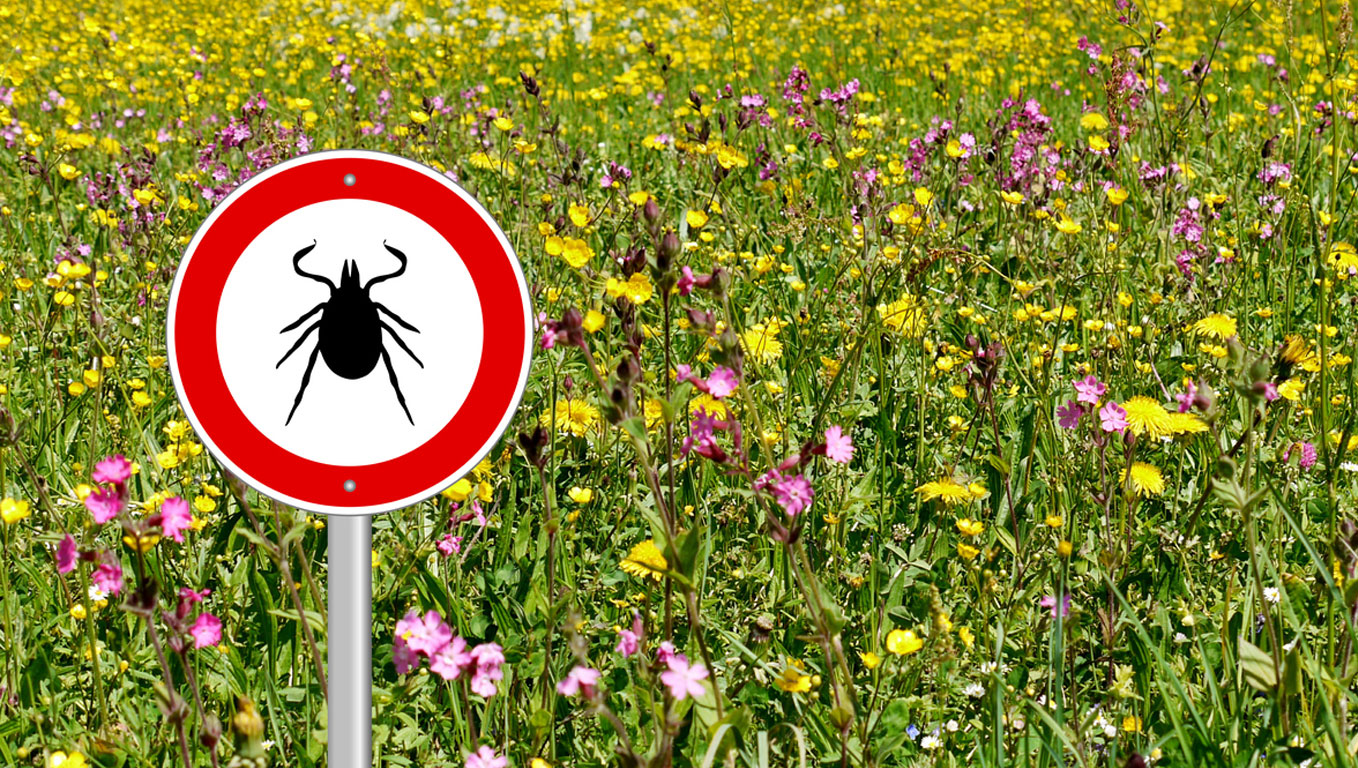
Frühlingszeit, Zeckenzeit: Die kleinen Blutsauger warten nun wieder vermehrt auf Wiesen und im Unterholz auf ihre Opfer.
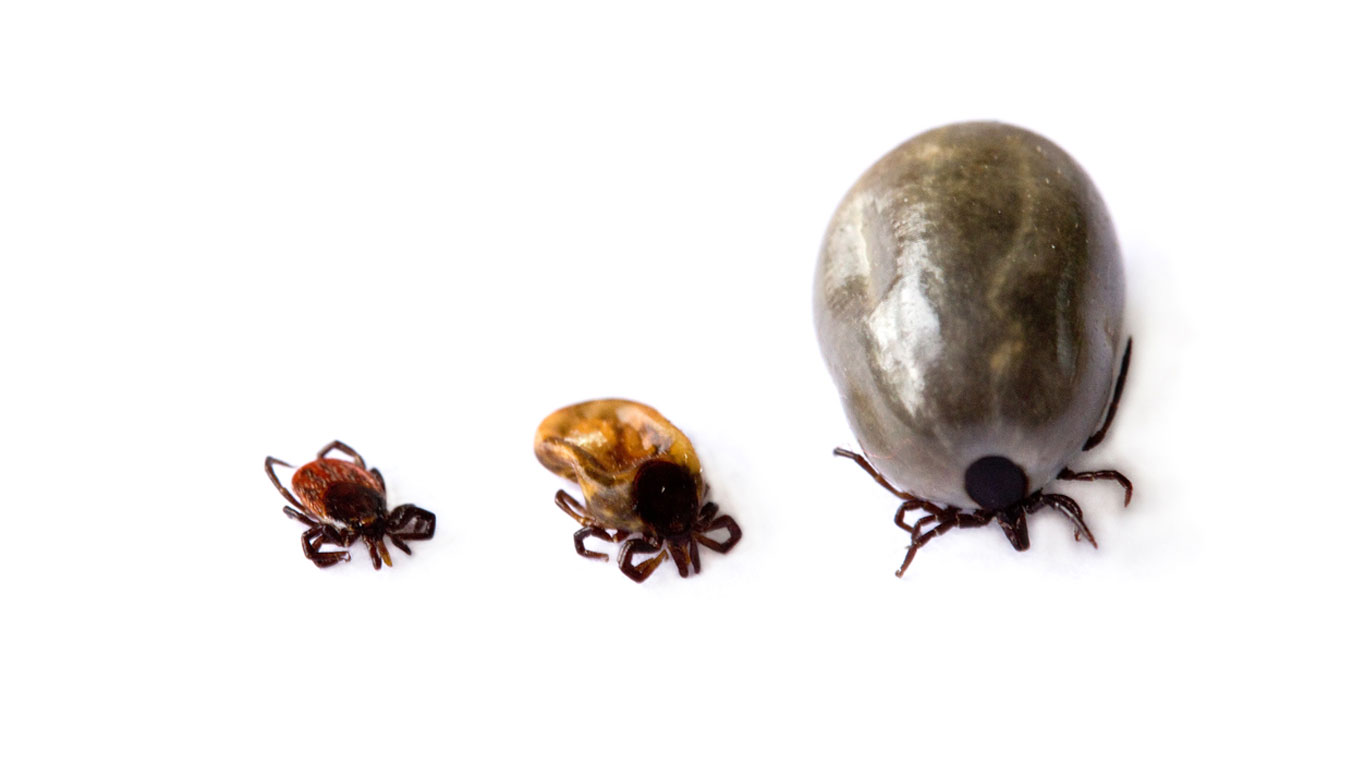
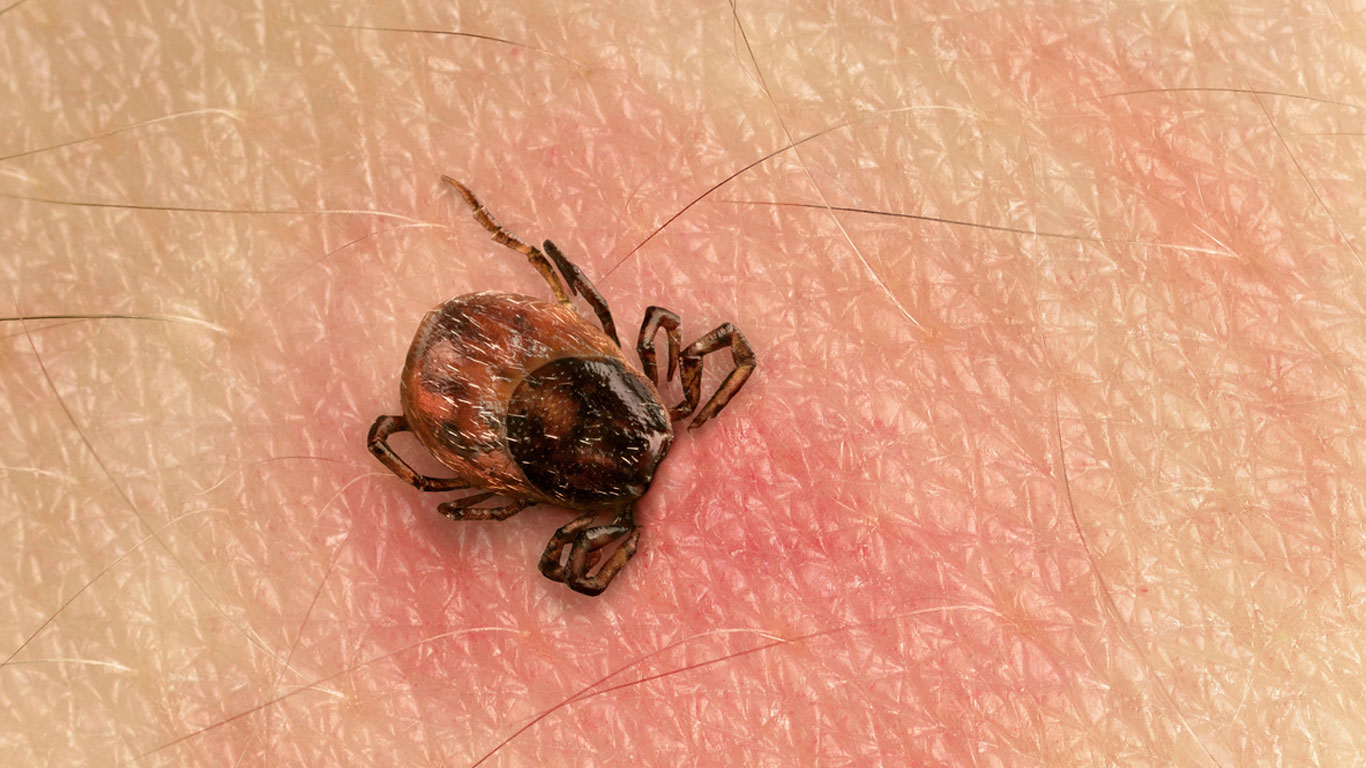
Die Zecke ernährt sich vom Blut ihrer Opfer. Nach der Mahlzeit (links) erreicht sie das Vielfache ihrer ursprünglichen Größe (rechts). Auf dem Bild zu sehen ist der gemeine Holzbock. Dies ist die verbreitetste Zeckenart in Deutschland.
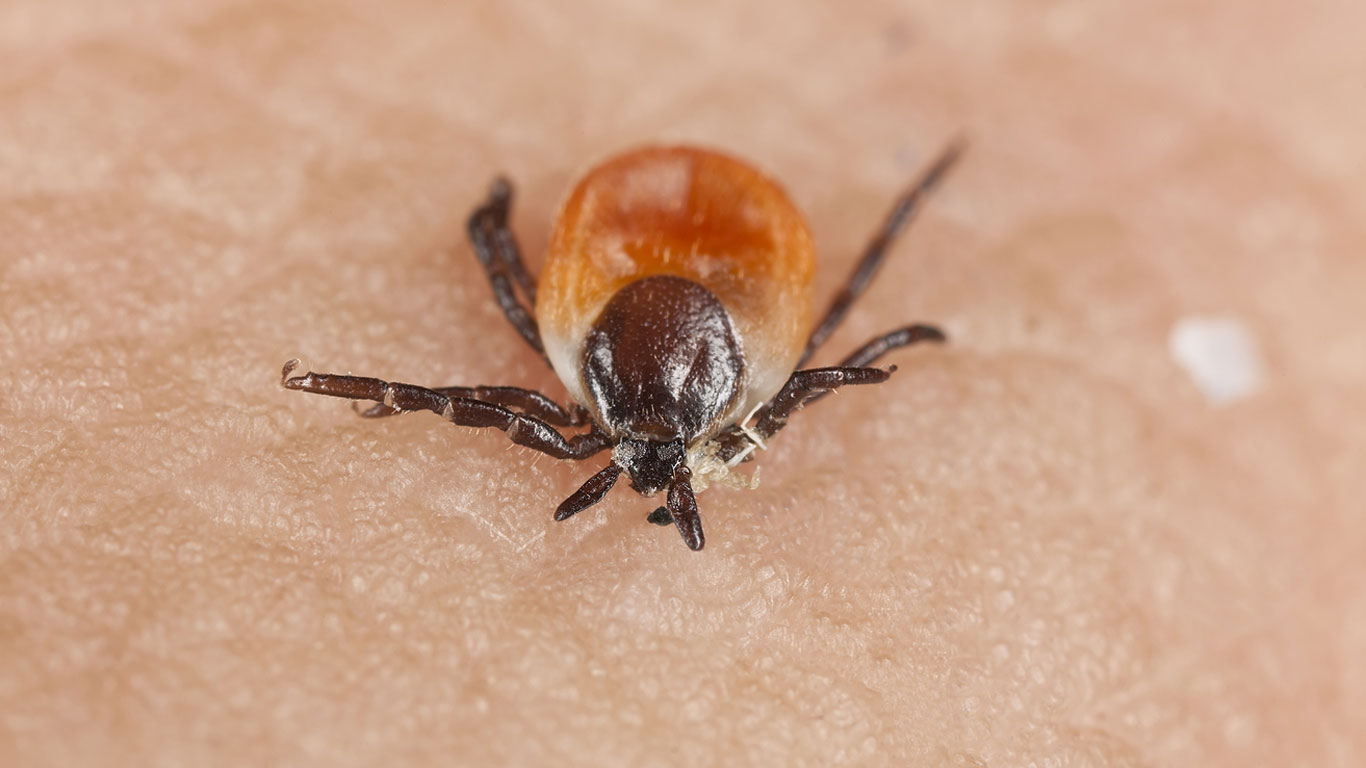
Die Beißwerkzeuge der Zecke erlauben ihr, sich tief in der Haut des Opfers festzukrallen – hat sie sich einmal festgebissen, ist sie daher nur schwer zu entfernen.
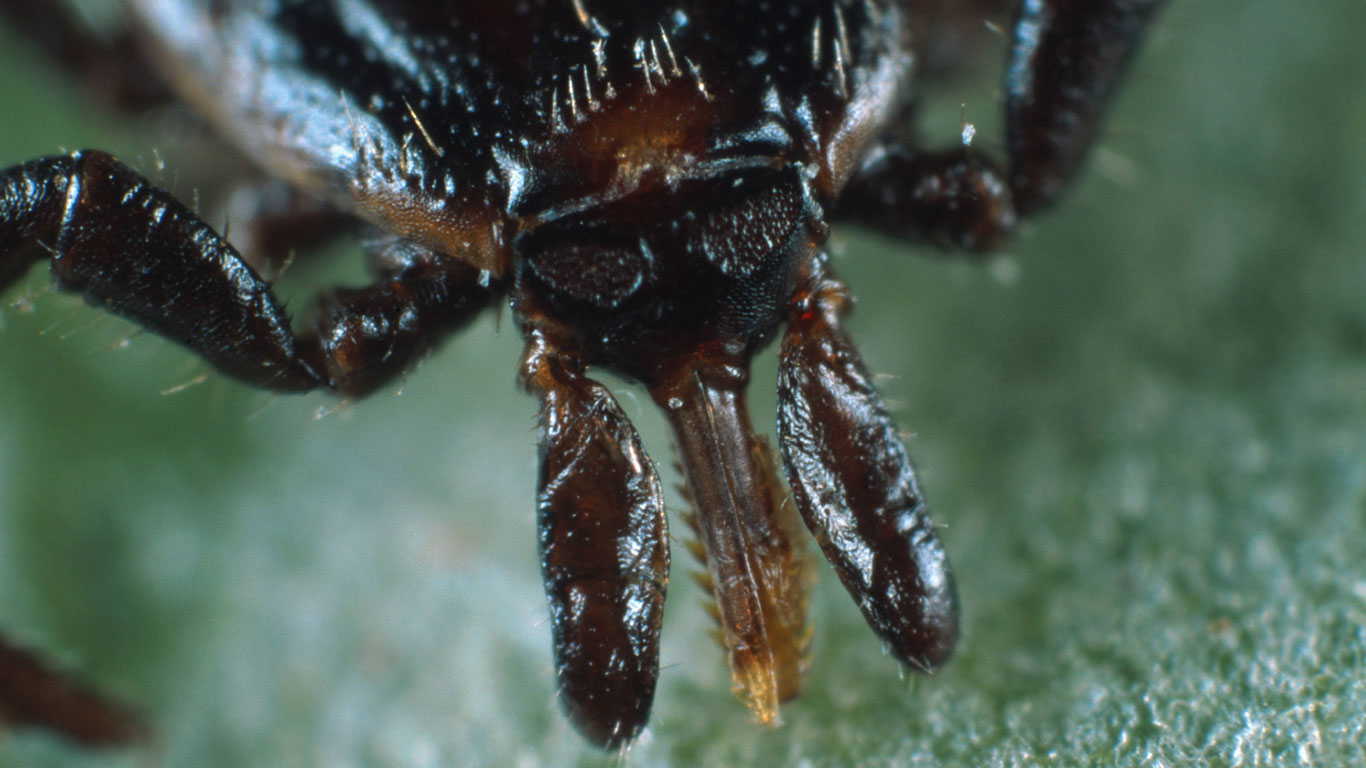
En Detail: In der Mitte ist das Saugrohr zu erkennen, dass die Zecke in die Haut ihres Opfers rammt. Die beiden Haken links und rechts davon dienen zum Festkrallen.

Am besten ist Vorbeugung: Wenn Sie in Zeckenwarngebieten unterwegs sind, achten Sie auf die richtige Kleidung und nutzen Sie möglichst nur befestigte Wege.
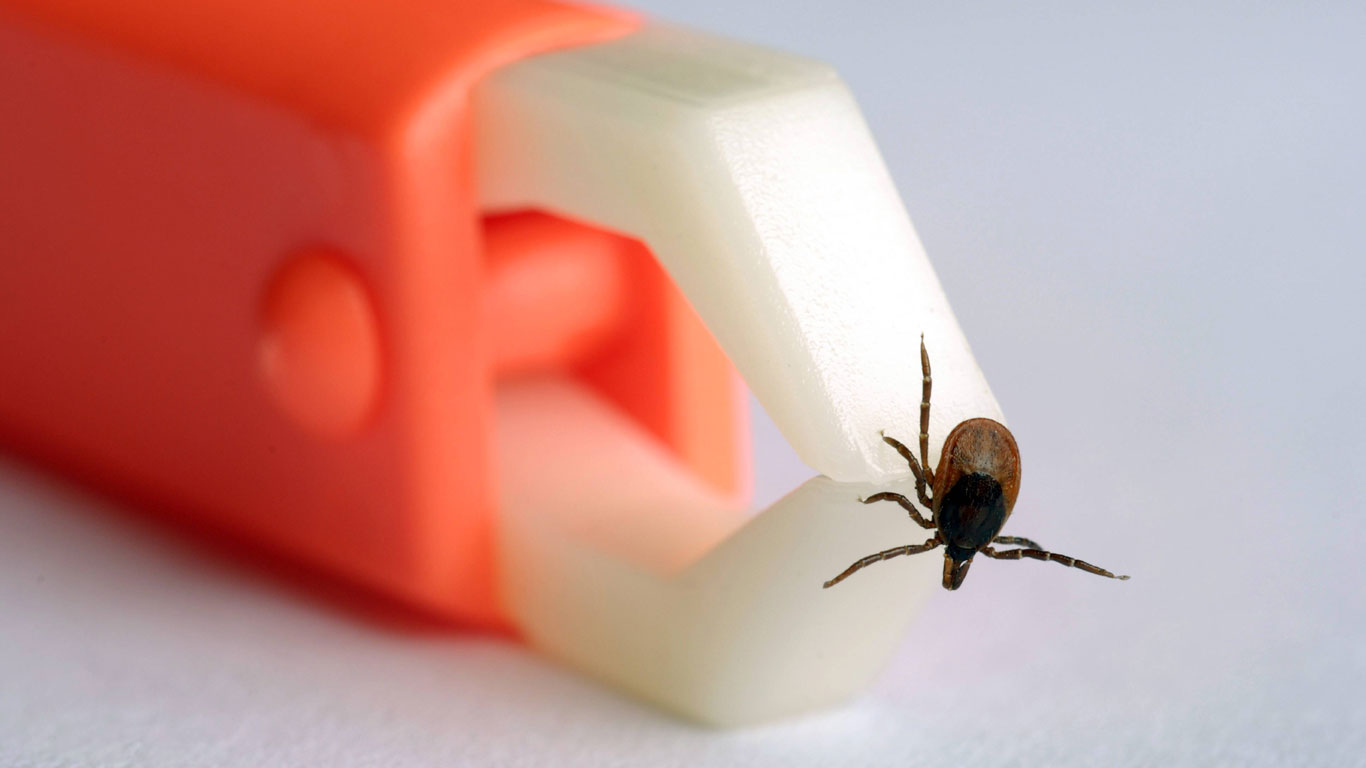
Wenn die Zecke erst mal gebissen hat, lässt sie sich nur schlecht wieder entfernen. Am besten funktionieren die sogenannten Zeckenzangen mit diesen lassen sich die Blutsauger gut greifen und langsam aus der Haut ziehen.
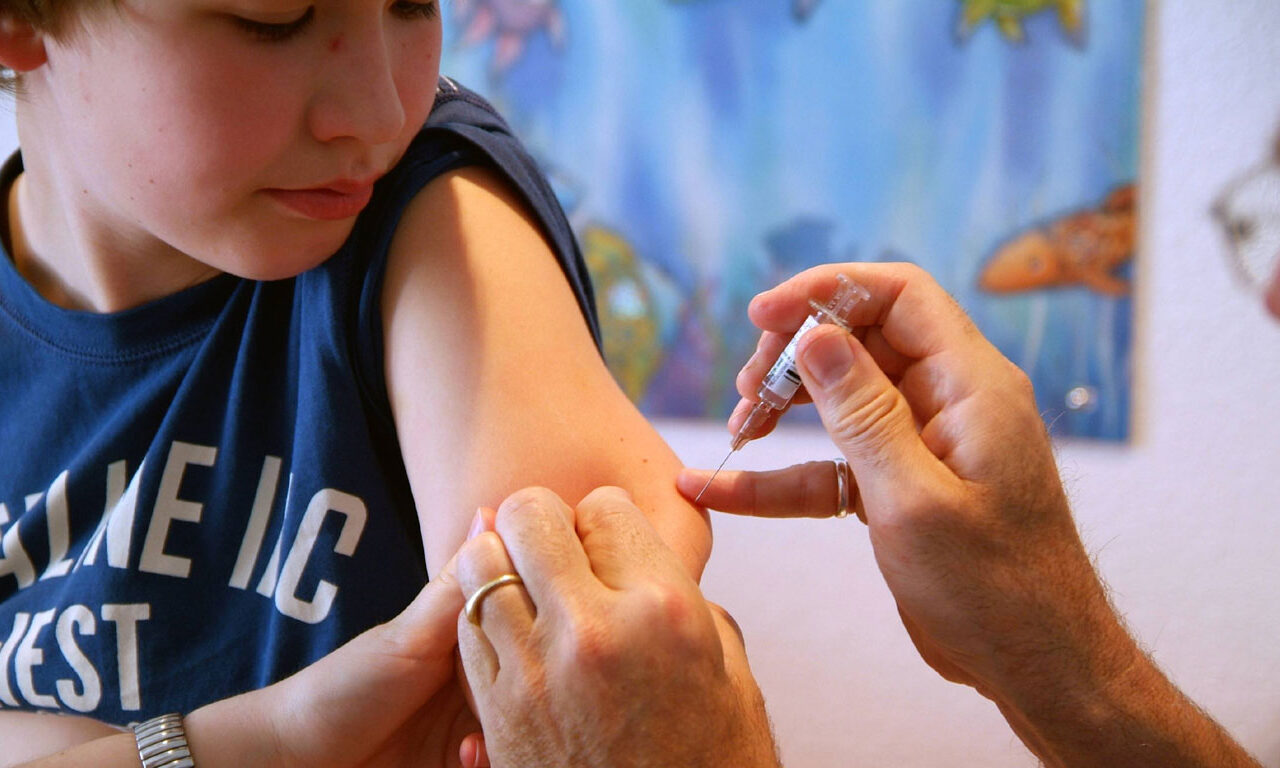
Deutlich gefährlicher – aber auch viel seltener – ist die Frühsommer-Meningo-Enzephalitis (FSME), die ebenfalls durch Zeckenbisse übertragen wird. Gegen FSME kann man sich impfen lassen, gerade bei Kleinkindern ist diese Impfung aber sehr umstritten.
TBE: scaremongering out of place
A total of 418 cases of TBE were reported in Germany in 2021, according to official figures from the Robert Koch Institute (RKI). By comparison, road traffic claims many times more victims with half a million injuries and more than 3,000 deaths per year.
TBE does not occur everywhere in Germany. Areas in which more than one TBE case per 100,000 inhabitants has occurred within five years are considered risk areas. These primarily include Bavaria and Baden-Württemberg as well as southern Hesse, south-eastern Thuringia and Saxony.
In addition, there are also individual risk areas in Central Hessen (Marburg-Biedenkopf district), Saarland (Saar-Pfalz district) and Rhineland-Palatinate (Birkenfeld district), reports the RKI. The district of Emsland has now also become the first district in Lower Saxony to be assessed as critical. However, isolated cases of TBE have also been observed in federal states without TBE risk areas. TBE can also be found in Austria, Slovenia, Slovakia, Poland and the Baltic states.
TBE vaccination: yes or no?
There is no medication against TBE, but there is a vaccination. The Standing Committee on Vaccination (STIKO) recommends it for people who a) live in risk areas or stay there for a longer period of time and in doing so b) frequently spend time in forests and meadows. The vaccination is administered three times within a year and then offers protection for three to five years. The recipient must then refresh it again.
The vaccines would be almost 100 percent effective. Complications, on the other hand, are extremely rare, with 1.5 cases per million vaccinations, according to the specialist in microbiology, virology and infection epidemiology PD. Dr. Gerhard Dobler quoted. Despite this, only around 20 percent of the population in Germany have been vaccinated.
However, opponents of vaccination criticize unnecessary scaremongering by the pharmaceutical industry, especially in children – as TBE usually has a milder course in them. Another point of criticism is that the risk-benefit analyses of the vaccination are carried out by the pharmaceutical manufacturers themselves and are not accessible to the public. Everyone must therefore make the decision for or against vaccination for themselves.
Vaccination is undoubtedly useful for occupational groups such as forest workers and hunters. If, on the other hand, you only go on a hiking vacation to the Black Forest or Lower Bavaria for a week, you are much less at risk and can take alternative protective measures.
How to protect yourself from ticks
- If possible, only use paved paths and avoid undergrowth, tall grass and generally avoid skin contact with plants close to the ground.
- Sturdy footwear is essential when you are out and about in tick warning areas.
- Only wear light-colored clothing that covers your body as much as possible – this makes it easier to find ticks later. Pull your socks over your pants.
- After spending time in a tick area, you should carefully check yourself and anyone with you for ticks. Preferred sucking sites for ticks are the head and neck, armpits, the groin area and the back of the knees.
- Wash your clothes after a walk in the woods at a temperature of at least 60 degrees.
- Treat your pets with tick repellent.
If you have been bitten by a tick, remove the bloodsucker immediately – this may prevent an infection with Borrelia bacteria. Such bacteria are usually only transmitted after the tick has been able to suck on the body for 24 hours or longer. However, this rule does not apply to a possible infection with TBE.
This is important when removing a tick
- If possible, remove the bloodsucker with special tick tweezers.
- Grasp the tick directly behind its head, as close to the skin as possible.
- Remove the tick carefully and evenly.
- Do not squeeze the tick – otherwise it can transmit more pathogens.
- Never use oil, glue or similar household products. The tick would then suffocate and release more body fluids into the bite wound during its death throes.