





Welt der Wunder

Nicht glauben, sondern wissen

Blog

A survey conducted by Harvard University in the United States found that 44 percent of working adults say that their work affects their health. In Germany, Techniker Krankenkasse conducted a survey which revealed that 64 percent of Germans suffer from stress at least occasionally and 26 percent report that they suffer from stress frequently.

Whether it’s pester power strategies, signs with short-term offers or special scents in the air: by now we are all familiar with the trickery that supermarkets use to get us to buy. But why do we fall for them again and again?

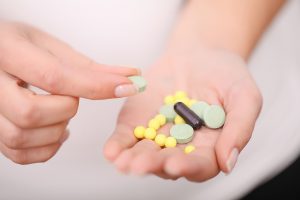
Some pills consist only of sugar and starch – and can still make you healthy. How can the placebo effect be explained? Researchers suspect that the body heals itself in many cases of illness.

Auch Privatpersonen sind lukrative Opfer für Cyberkriminelle – und im Urlaub sind sie besonders verwundbar. Diese Tipps sollte jeder beachten, der mit Smartphone und Laptop im Gepäck sicher reisen will.

On Tuesday night you fought with medieval knights, on Wednesday you flew over the sea. But for some reason, you can’t remember the dream you had on Thursday. Sound familiar? This is why some dreams are remembered and others are lost forever.

From medical milestones to intelligent voice assistants and autonomous driving: AI is revolutionizing our lives. But the increasing complexity and the associated data and energy requirements raise an important question: How environmentally friendly can AI really be?

Blockchain technology is often associated with cryptocurrencies such as Bitcoin and Ethereum, which are known for their high energy consumption. However, it also holds the potential to become a cornerstone of sustainable energy.

✕
Welt der Wunder - Die App

FREE
VIEW