False memories: How our minds deceive us

"I know it happened because I was there" - how many times have you found yourself saying or thinking that? However, you may have been lying without knowing it, because human memory is not as reliable as we think. We often only think we remember things because our memories can be manipulated without much effort.

How to lose bad habits

There are some bad habits that we would like to get rid of as quickly as possible. But why is this often so difficult? Why is our brain so attached to recurring behaviors and what can we do about it?

Can you learn while you sleep?

At night, while we sleep, we process sensory stimuli that we have absorbed and stored during the day. But can our brain also store new knowledge during our night’s sleep?

Watching movies in our mind: how to control our dreams

We can fly like a bird or suddenly find ourselves naked in front of our boss: some of the things we experience in our sleep are just strange. With a few simple tricks, dreams can be experienced consciously – and even controlled.

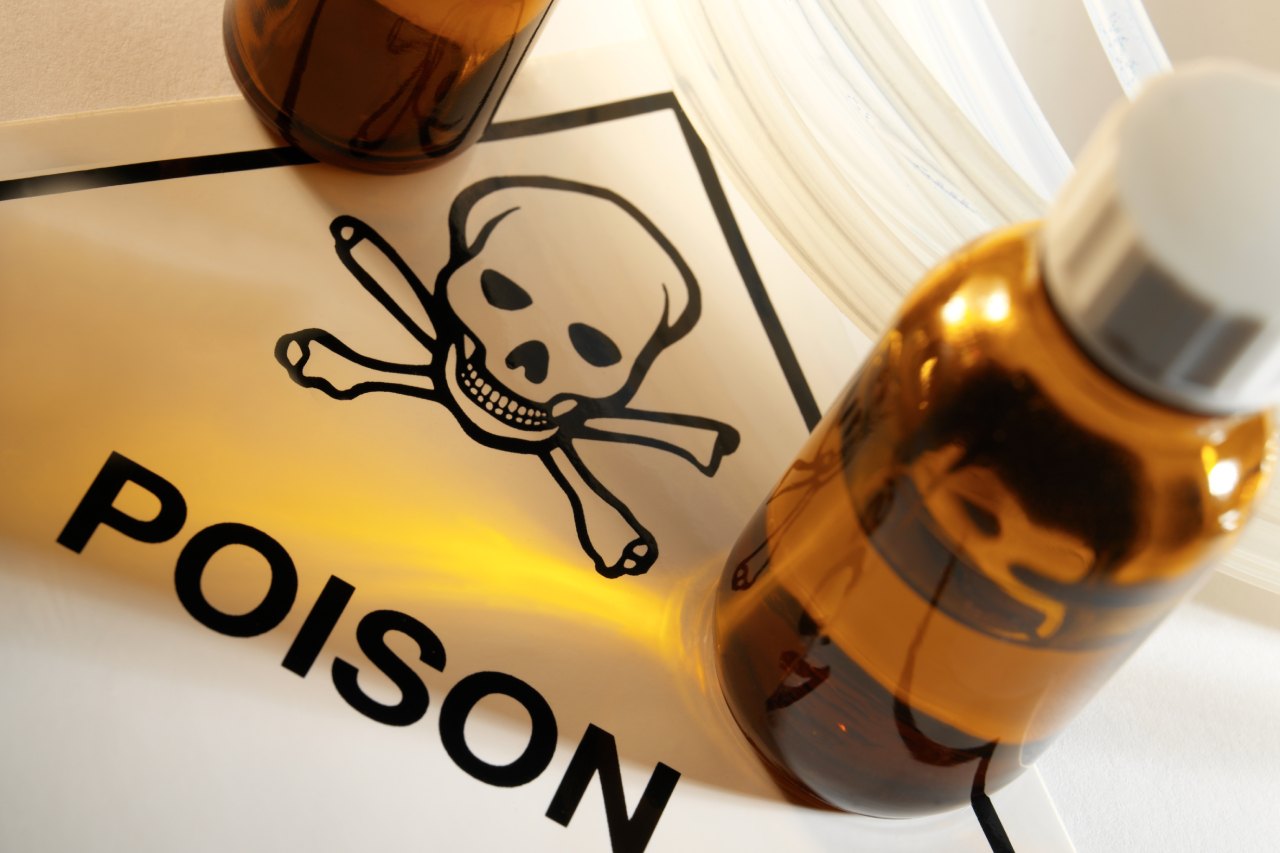
How poison attacks our bodies

Poisonings are among the greatest dangers our organism can be exposed to. Different toxins affect different parts of the body and often the dosage determines life or death.

How stress affects our body

A survey conducted by Harvard University in the United States found that 44 percent of working adults say that their work affects their health. In Germany, Techniker Krankenkasse conducted a survey which revealed that 64 percent of Germans suffer from stress at least occasionally and 26 percent report that they suffer from stress frequently.

What makes me give up? What makes me go on?

A pack of potato chips instead of a bowl of salad - a few hours on the couch instead of at the gym: we constantly break our resolutions and surrender to the commands of a very selfish brain. Yet, anyone can beat laziness. What slows us down, what keeps us going? How can we overcome the motivation killers in our heads?

Between life and death: The fate of coma patients

Just ten minutes of acute oxygen deficiency can cause irreparable damage to our brain. If it lasts longer, we become unconscious and fall into a coma.

How supermarkets exploit our weaknesses

Whether it's pester power strategies, signs with short-term offers or special scents in the air: by now we are all familiar with the trickery that supermarkets use to get us to buy. But why do we fall for them again and again?

The placebo effect: why placebo drugs work

Some pills consist only of sugar and starch - and can still make you healthy. How can the placebo effect be explained? Researchers suspect that the body heals itself in many cases of illness.

1 2 3 7