Between life and death: The fate of coma patients

Just ten minutes of acute oxygen deficiency can cause irreparable damage to our brain. If it lasts longer, we become unconscious and fall into a coma.

How supermarkets exploit our weaknesses

Whether it's pester power strategies, signs with short-term offers or special scents in the air: by now we are all familiar with the trickery that supermarkets use to get us to buy. But why do we fall for them again and again?

The placebo effect: why placebo drugs work

Some pills consist only of sugar and starch - and can still make you healthy. How can the placebo effect be explained? Researchers suspect that the body heals itself in many cases of illness.

Why everybody can be a memory artist

Some people can memorize hundreds of faces or phone numbers in a matter of minutes. Everyone is capable of such feats of memory.

Our ingenious mind: what thoughts are really capable of

Neuroscientists can peer into our brains and read what we are thinking. There are also less chilling possibilities, such as prosthetics that can be controlled by the power of thought.

Wounds of the soul: What happens in a trauma?

Soldiers in crisis areas or aid workers on disaster relief missions often have traumatic experiences. The images, sounds and smells remain with some people for the rest of their lives. What happens in our brain? And can trauma be healed?

Is pain contagious?

Many people find it unbearable to watch another person suffer. Physical mishaps make them uncomfortable, physical violence in movies is almost unbearable. But what is really going on inside us when this happens?

Why we can be right-handed and left-handed

Left- and right-handed people differ in their dominant side of their bodies. Scientists have been able to find out why these differences exist in humans and animals and where they come from.

What Tourette Syndrome does to the brain

Some people look and act like everyone else. But suddenly their limbs start twitching, they start screaming, they start shouting profanities - without ever meaning to. This is what it feels like to have Tourette Syndrome.

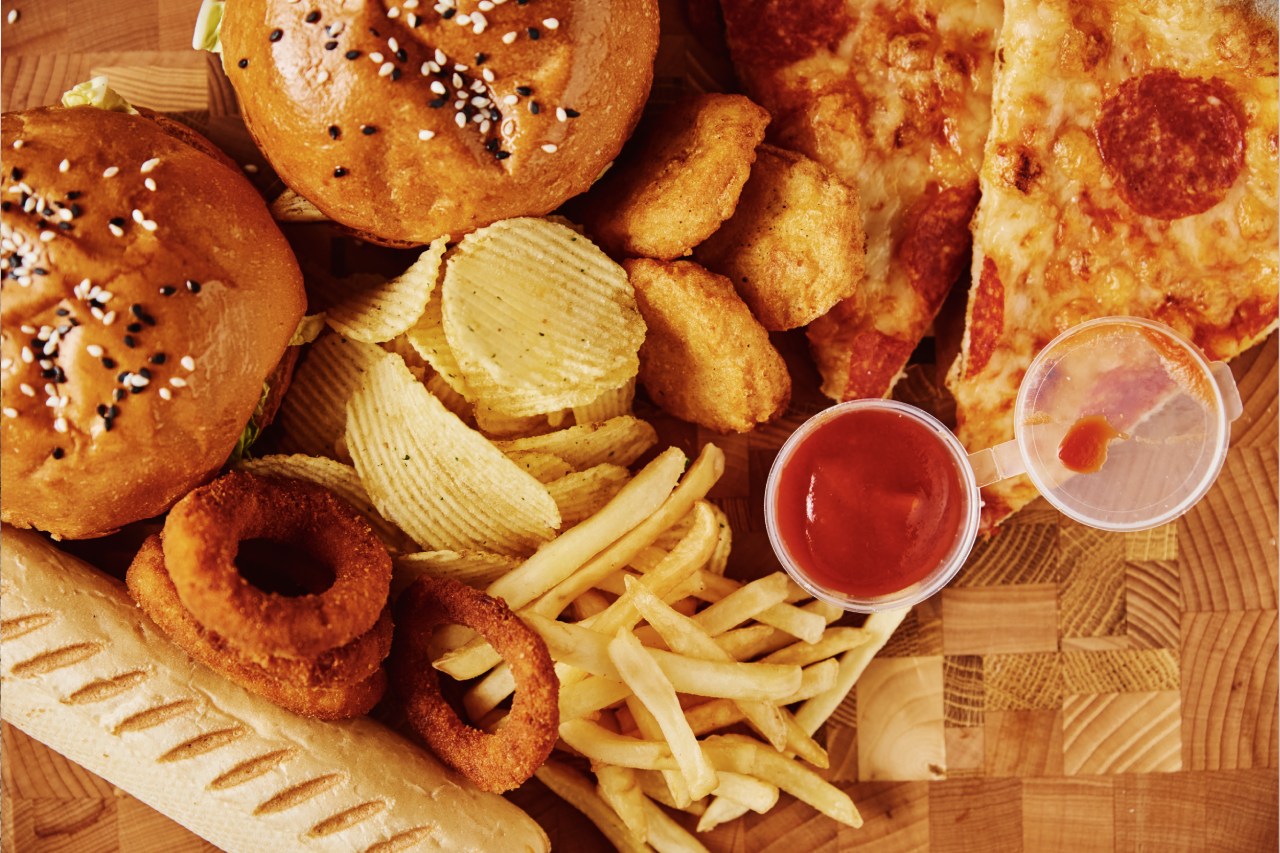
The psychology of eating: what really makes us gain weight

Forget everything you thought you knew about dieting - a number of new studies show: It's not what or how much we eat. Rather, it is where, when, and from what kind of plate we eat determines whether or not we gain weight. The good news: With a few simple tweaks, we can change our eating habits.